
Overview of Thailand's Food Industry
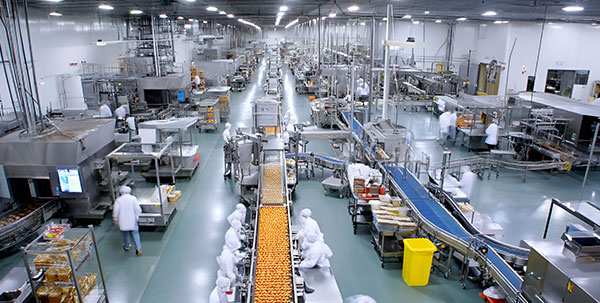
According to statistics from the National Economic and Social Development Council (NESDC) of Thailand, the food industry contributes a significant share of Thailand's Gross Domestic Product (GDP), accounting for approximately 10% of the total GDP. The Thai food industry covers the entire industry chain from raw material production, processing to packaging and distribution. By 2023, Thailand's total food exports will reach 39.8 billion US dollars, with major export markets including the United States, the European Union, Australia, and various Asian countries. In recent years, with the upgrading of consumer demand and the deepening of globalization, the Thai food industry has continued to grow, especially in the fields of processed foods, health foods, ready to eat foods, and functional foods.
Powerful processing capability:
Thailand has a group of mature food processing enterprises and techniques, especially in the fields of seafood processing and rice product processing, with technological advantages, high production efficiency, stable quality, and the ability to meet the needs of the international market.
Export oriented economy:
The Thai government actively promotes the internationalization of the food industry, with exports as the main goal. Thai food processing factories not only serve the domestic market, but also produce a large amount of processed food for export, becoming an important part of the global food supply chain.Cost advantage:
Compared to other developing countries, Thailand has relatively low labor costs and reasonable processing and production costs, especially in labor-intensive production in the aquaculture and food processing industries, making it more competitive.
Good infrastructure:
Thailand's ports, transportation, and logistics systems are relatively developed, providing convenience for food companies to import raw materials and export finished products. This enables Thailand to quickly transport products to the global market at lower transportation costs.
1. Bangkok and surrounding areas: the core area of the food industry
As the capital and economic center of Thailand, Bangkok is not only the concentration of Thailand's food industry, but also an important food production, processing, and export base for the entire Southeast Asian region. The industrial parks and free trade zones around Bangkok have gathered a large number of food processing enterprises, covering multiple fields such as seafood processing, rice product processing, fruit and vegetable processing, and beverage production. In Bangkok and surrounding areas, many globally renowned Thai food brands and multinational food companies have production bases or branch offices. At the same time, Bangkok is also the logistics center of Thailand, facilitating the import of raw materials and the export of finished products, making the region an important support point for Thailand's food industry.
2. Southern region: seafood processing and tropical fruit industry
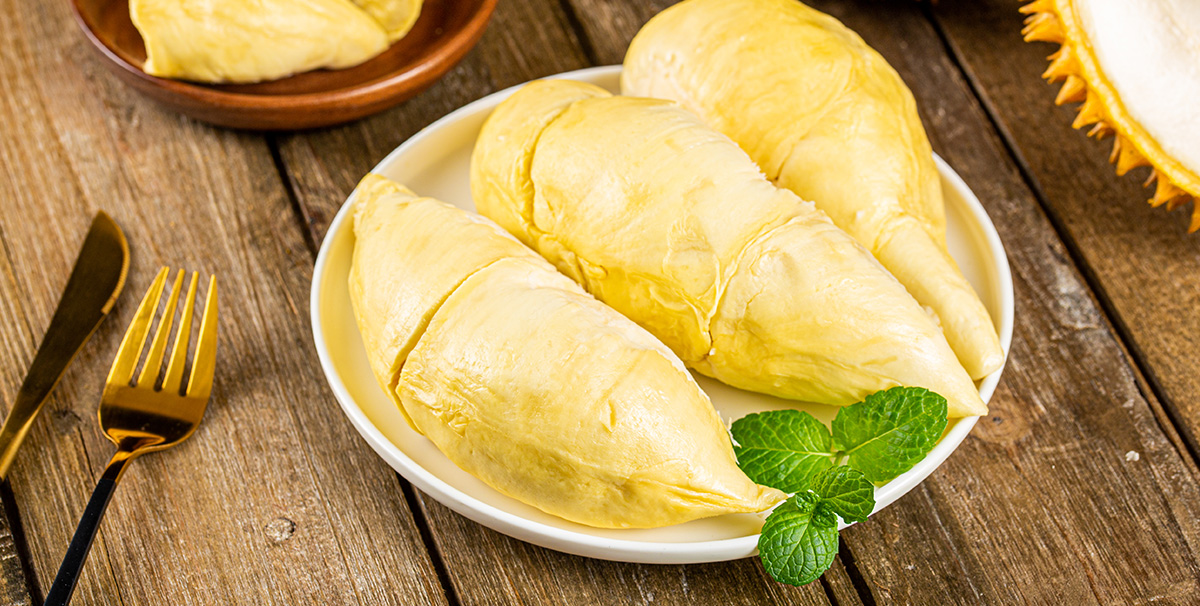
The southern region of Thailand, especially coastal cities such as Phuket, Songkhla, and Pati, is an important base for seafood processing and tropical fruit production in Thailand. The southern coastal waters of Thailand are vast and rich in aquatic resources, especially shrimp, crabs, fish and other seafood, laying a solid foundation for the aquatic processing of Thailand's food industry. In terms of tropical fruits, the fruit planting area in the southern region is also very extensive. Tropical fruits such as durian, mango, longan, banana, etc. are characteristic agricultural products in southern Thailand. The products not only meet domestic demand, but also are sold worldwide through cold chain processing and export. Especially durian from Thailand is very popular in Chinese, Southeast Asian, and European and American markets.
3. Northeast region: agricultural resources and grain processing
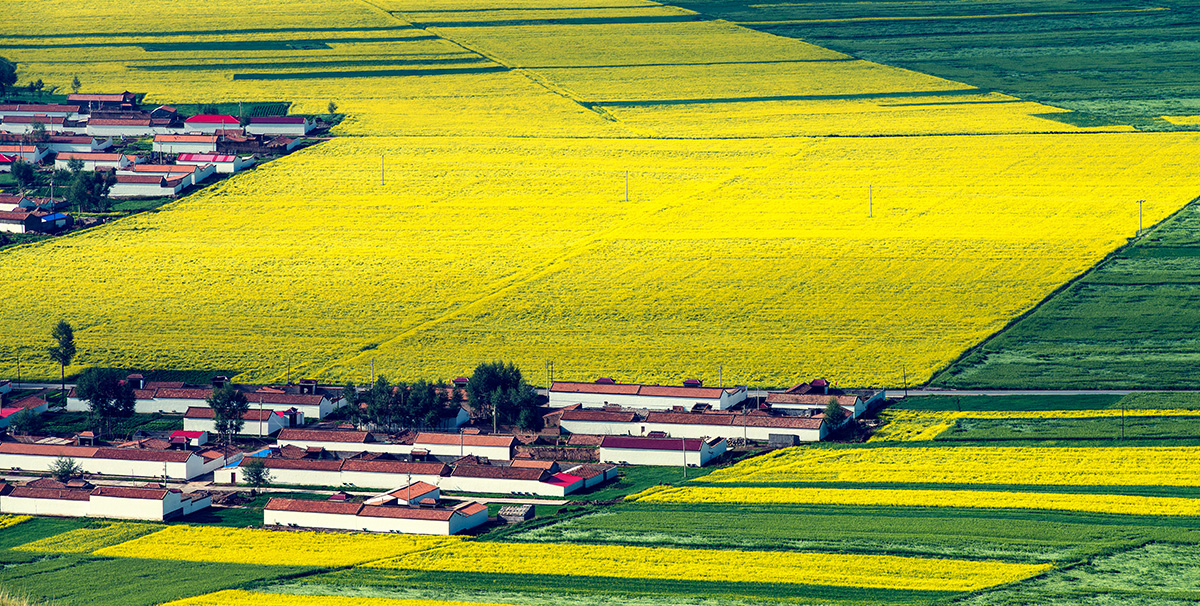
The northeast region of Thailand (commonly known as the "Isan" area) is the heartland of agriculture in Thailand, mainly growing rice, corn, sugarcane, and other crops. The rice production in this region not only meets domestic demand, but also is one of the main varieties exported by Thailand to the outside world. Thailand's "Jasmine Rice" is renowned worldwide and has a huge demand in the international market. There are also a large number of rice product processing plants in the northeast, which produce Rice noodles, rice cakes, rice paste, etc. These products are not only circulated in Thailand, but also exported to Southeast Asia, Europe and the United States. With the advancement of agricultural modernization, the food processing industry in Northeast China is gradually developing towards scale and refinement.
4. Central region: agricultural product distribution center and processing center
The central region is an important base for agricultural production and food processing in Thailand, especially with advantages in food processing such as vegetables, sugars, seasonings, and alcohol. The region is close to Bangkok and has a convenient logistics transportation network. It is a hub for agricultural products and a concentrated area for primary food processing. In addition, agricultural enterprises in the central region are actively promoting sustainable agricultural development, producing organic and healthy food to meet the global consumer demand for healthy diets.
With the advancement of globalization, the Thai food industry has not only achieved success in the local market, but also gained a foothold in the global market. Thai food companies are actively expanding their overseas markets and promoting food exports through policies such as free trade agreements (FTAs). Especially in Asia, Europe, and the Americas, Thai food has gradually become an important brand in the market. Chinese food companies are gradually increasing their investment and business in Thailand, especially in the fields of food production, processing, distribution, and retail. Currently, food related enterprises such as Mengniu, Yili, Haitian Flavor Industry, Three Squirrels, China Resources, Angel Yeast, etc. have settled in Thailand.
1. Free trade agreements help exports
Thailand actively participates in regional and global free trade agreements (FTAs), such as the ASEAN Free Trade Area (AFTA) and the Thai US Free Trade Agreement (Thai US FTA), providing a broader market space for Thai food companies. Through these agreements, Thai food products can enjoy tariff reductions or zero tariff treatment, making them more competitive in the international market.
2. International branding strategy
Thai food companies are gradually strengthening their brand building in the process of internationalization, focusing not only on product quality but also on brand image and cultural dissemination. For example, well-known food brands in Thailand such as Thai Kitchen and Golden Mountain have established a stable market share globally. In addition, Thai specialties such as "Thai hotpot" and Thai curry have gradually become well-known food representatives among global consumers through restaurant chains and overseas market expansion.
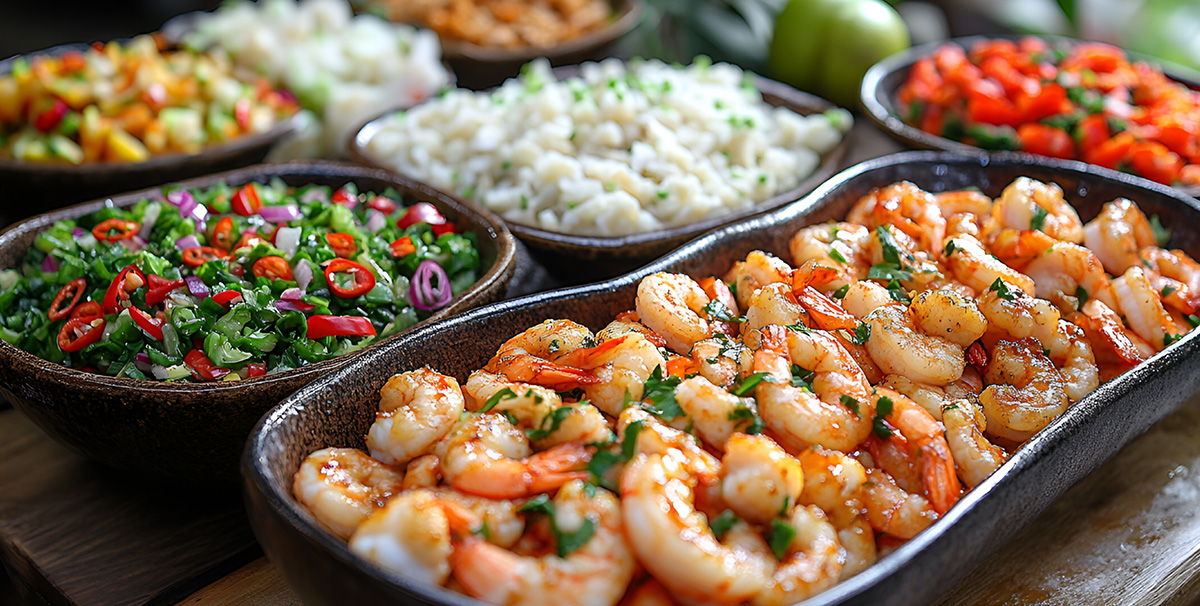
With the increasing global awareness of health, Thai food companies have also catered to this trend and developed a series of food products that conform to modern health concepts. For example, low sugar, low-fat, and high fiber foods are increasingly favored by consumers. Organic agricultural products, additive free foods, and functional beverages from Thailand have gradually become popular products in the international market.